

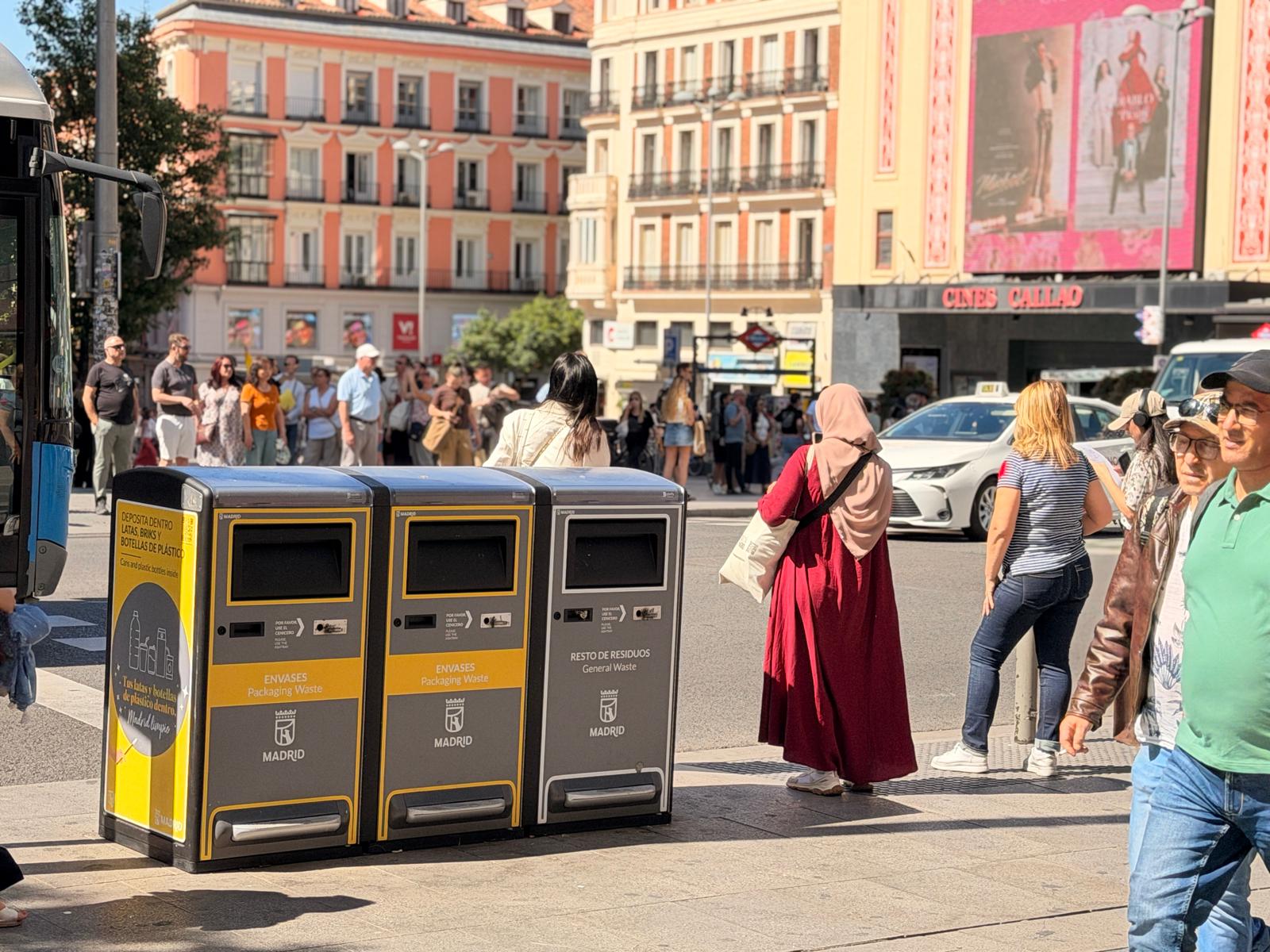
We are proud to announce the renewal of our contract for the second time for the supply and installation of 1,300 Smart Max stations with Madrid City Council until 2030.
This successful partnership has helped to support one of Europe’s largest capital cities in their efforts to create cleaner, smarter, more efficient public spaces, while also backing their own strategy, “Madrid 360”, aimed at creating a more sustainable city.
Why Did Madrid Choose Bigbelly?
Madrid had several goals for their waste management system, including:
- Reduce unnecessary collections
- Promote recycling in public spaces
- Move to a data driven system
- Improve security – no access for certain events
Following the successful pilot in 2019, Madrid decided to roll out a large-scale deployment of 1,300 bins across the city. Thanks to their increased capacity, our Bigbelly bins are ideal for coping with the large amounts of waste that go hand in hand with the hustle and bustle of one of Europe’s busiest capital cities. Since the deployment, the switch to a data-driven collection system has enabled Madrid to manage their waste more efficiently ensuring optimal resource allocation. Our team is also able to fit a security system to individual stations during certain events that draw large crowds to the city. This occurred most recently at the start of June during the visit of Pope Leo XIV.
Supporting a Cleaner, More Sustainable Madrid
As urban populations continue to grow, cities face increasing pressure to maintain clean public spaces while managing resources efficiently. Smart waste infrastructure plays a critical role in addressing these challenges. With 45% of the 1,300 bins dedicated to on-the-go recycling, our multi-unit stations are helping Madrid to encourage recycling in public spaces while simultaneously reducing contamination.
From busy streets and squares to metro station exits and the Royal Palace of Madrid, you will find our Bigbelly bins in some of the city’s busiest and most iconic locations.
A Long-term Commitment to Innovation
The continued partnership between Future Street and the City of Madrid demonstrates the value that smart city technologies can deliver when deployed at scale. With 1,300 Bigbelly units operating across the city, Madrid remains as one of the leading examples of how smart waste management can contribute to cleaner, more sustainable urban environments.
Future Street is proud to support cities and municipalities across Europe in their transition towards smarter, more efficient public services. The renewal of this contract marks another important milestone in our mission to help create cleaner, smarter, and more efficient communities.
Related News
Beyond the Mainland: Our Work and Impact in the Canary Islands
Through the public company GESPROTUR, the Canary Islands government Department of Tourism and Employment has carried out an initiative to modernise waste management across the tourist islands. The...
A Smarter Future for the Granite City: Smart Bins Hit the Streets of Aberdeen
Following a successful 3-month trial back in 2011, Aberdeen City Council decided to roll-out 83 Bigbelly smart bins in high traffic areas throughout the city, replacing over 120 of their standard...
Smart Bins Make a Splash on the Baltic Sea: Sustainable Innovation at Ostsee Resort Damp
We’re delighted to celebrate the successful installation of 30 Bigbelly Smart Max stations at the beautiful Ostsee Resort Damp! Located directly on the Baltic Sea, Damp offers around four kilometres...

The Wild Side of Sustainability: Belfast Zoo’s Commitment to Improved Visitor Experience and Cleaner Public Spaces
As one of Northern Ireland’s leading visitor attractions, and the home to over 100 different species, Belfast Zoo is committed to providing innovative solutions that work hand in hand with improving...
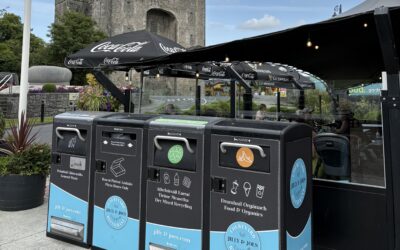
Bespoke Waste Management Solutions for Everyday Items
Have you ever thought standard street bins are usually quite basic and only offer one solution for waste? At Future Street, we’ve gone beyond traditional waste streams. With our Bigbelly bins, we...
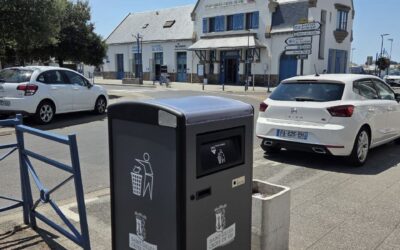
Saint-Gilles-Croix-de-Vie: Un Site Remarquable du Goût et de l’Innovation
Located on the Vendée coast of France, Saint-Gilles-Croix-de-Vie is a charming seaside where visitors can enjoy a wide range of activities. Whether you’re a foodie, love to surf, or just simply want...